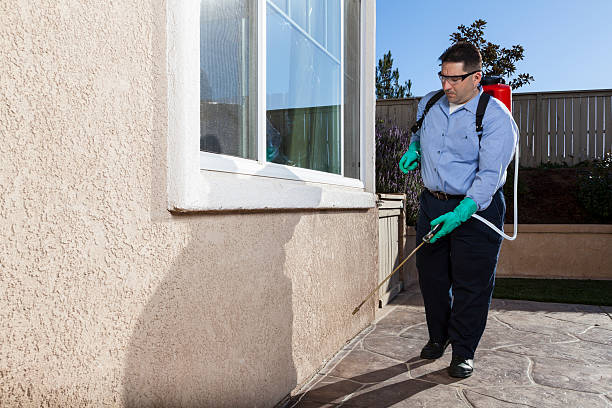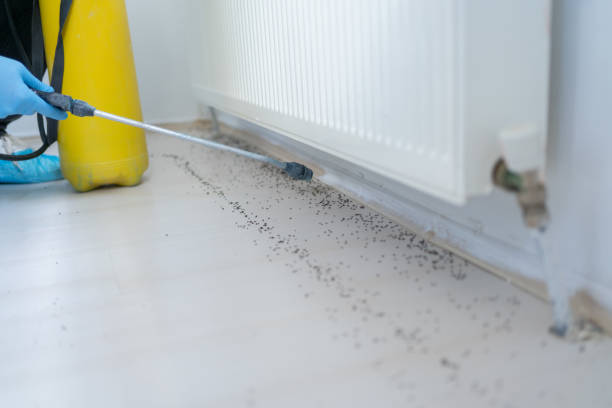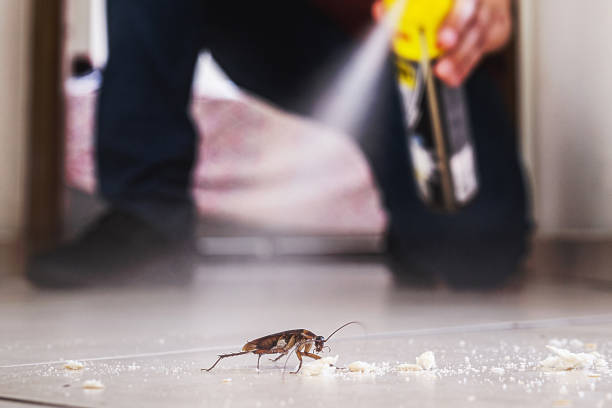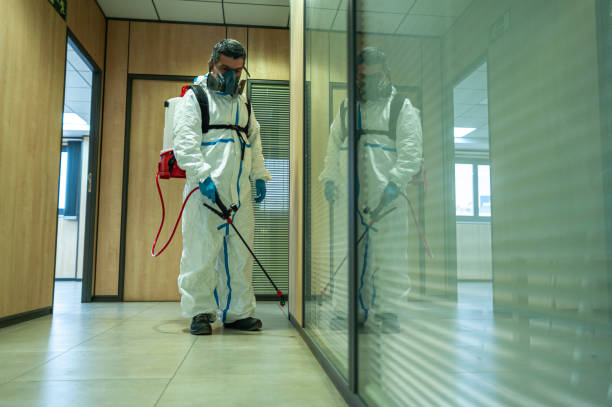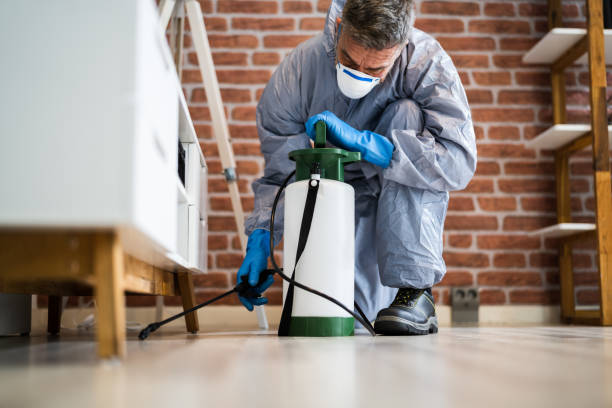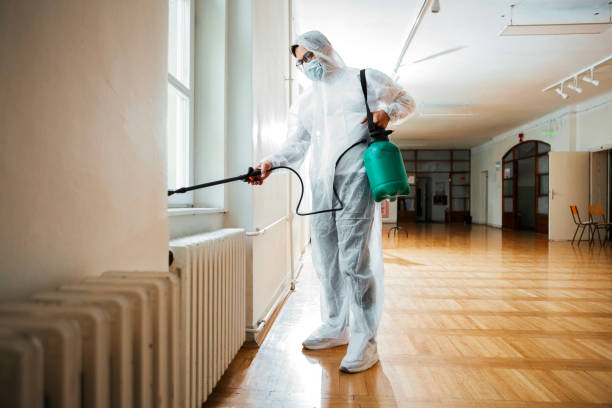
Effective pest control training for employees is a critical component of maintaining a safe, clean, and pest-free environment. Whether you’re managing a commercial facility, restaurant, or warehouse, empowering your team with the right knowledge can prevent costly infestations. Below are essential do’s and don’ts when it comes to training your employees in pest control.
Do’s for Pest Control Training
- Train employees to understand different types of pests such as rodents, insects, and birds.
- Include information on pest behavior, habitats, and risks associated with infestations.
- Teach employees how to identify early signs of pests like droppings, gnaw marks, nests, or unusual odors.
- Educate staff on sanitation practices such as cleaning spills promptly and securing trash bins with tight-fitting lids.
- Cover strategies for sealing entry points like cracks around windows or gaps in doors to block pest access.
- Encourage proper food storage techniques: use sealed containers and maintain cleanliness in pantry areas.
- Train employees on the safe handling of pest control equipment and chemicals if applicable.
- Ensure they know how to respond during health emergencies caused by pests (e.g., allergic reactions from bites).
- Collaborate with licensed pest control experts to conduct workshops or demonstrations.
- Provide ongoing refresher courses to address new trends in pest prevention.
Don’ts for Pest Control Training
- Avoid Overloading Employees with Information
Focus on actionable steps rather than overwhelming staff with technical jargon or excessive details about pests they may never encounter. - Avoid emphasizing only the cleanup after a problem arises; instead promote proactive prevention techniques.
- Failure to document inspection results or training sessions can lead to inconsistencies in pest management efforts.
- Ignore Employee Feedback During Training Sessions
Listening to employees’ concerns allows you to refine strategies based on their day-to-day observations.
Essential Checklist for Employee Pest Control Training by Exterminator Stuart FL
| Topic | Details |
| Common Pests | Learn about rodents (rats/mice), insects (ants/cockroaches), etc. |
| Signs of Infestation | Droppings, nest materials, noises during off-hours |
| Sanitation Practices | Cleaning schedules; handling waste properly |
| Preventive Maintenance | Sealing cracks; using physical barriers |
| Emergency Procedures | Steps to take during infestations; who to contact |
How a Stuart FL Pest Control Company Thrives with Well-Trained Employees
- Cost Savings: Preventative measures reduce the need for expensive extermination services later.
- Compliance: Ensures adherence to industry regulations regarding cleanliness and safety standards.
- Increased Efficiency: Employees are better equipped to spot minor issues before they escalate into problems.
- Customer Satisfaction: A clean environment free from pests boosts customer confidence.
By equipping your staff with proper knowledge and practices through structured training programs, businesses can maintain environments that deter pests while fostering a healthier workplace atmosphere for all stakeholders involved.
Effective Pest Removal Stuart FL: Why Training Your Team Matters
Proper pest control training is a critical investment for any organization that values cleanliness, safety, and regulatory compliance. Whether you operate in the food industry, manufacturing, healthcare, or retail, your team must be equipped with the knowledge and skills to identify, address, and prevent pest-related issues. Below are key reasons why investing in pest control training is essential and how it benefits your business.
Why Pest Control Training Matters
- Health and Safety Assurance
Pests can carry harmful bacteria and pathogens that pose significant health risks to employees and customers alike. For example: - Rodents can transmit diseases such as salmonella or hantavirus.
- Cockroaches may trigger allergies or asthma attacks.
- Flies contaminate surfaces with bacteria like E. coli.
Proper training ensures your team understands these risks and knows how to minimize them by preventing infestations before they occur.
- Regulatory Compliance
Many industries are subject to strict regulations around hygiene, sanitation, and pest management: - In food production and service facilities, failing a pest inspection can lead to fines or shutdowns.
- Healthcare facilities must maintain sterile environments to protect patients from infections.
Educating your team about legal requirements helps ensure compliance with local health codes.
- Cost Savings
Unchecked infestations can result in expensive damages: - Structural repairs due to termites or rodents chewing through wood or wiring.
- Replacing contaminated inventory affected by pests like moths or beetles.
Preventative measures learned through training save money by reducing extermination costs and avoiding damage.
- Protecting Brand Reputation
A single pest sighting by a customer can harm your business’s reputation: - Negative online reviews could deter potential clients.
- Word-of-mouth complaints may affect loyal customer relationships.
Key Components of Effective Pest Control Training
- Pest Identification: Teach staff how to recognize common signs of pests such as droppings, gnaw marks, nests, or damaged packaging.
- Understanding Root Causes: Employees should understand what attracts pests (e.g., food residue, standing water) so they can mitigate risk factors effectively.
- Safe Handling of Tools & Chemicals: If pesticide use is necessary, workers must know proper handling techniques for their own safety and environmental preservation.
- Reporting Systems: Encourage staff to report potential issues immediately by creating clear communication channels within the organization.
Benefits of Ongoing Training
| Aspect | Benefit |
| Evolving Regulations | Changes in local/state laws regarding pesticide applications |
| New Technologies | Improved tools like ultrasonic repellents |
| Emerging Pests | Awareness of invasive species spreading geographically |
Regular reinforcement also keeps employees engaged in the company’s broader pest management goals.
Steps for Implementing Pest Control Training
To introduce an effective program:
1. Assess current practices – Identify gaps in employee knowledge related to pest issues.
2. Partner with professionals – Work with certified pest control experts like www.stuartpestcontrol.net who can provide tailored workshops or resources specific to your industry needs.
3. Create accessible materials – Develop documents (e.g., charts illustrating infestation signs) for easy reference during daily operations.
4. Evaluate effectiveness – Conduct routine assessments post-training via quizzes or real-life practice drills on identifying risks.
Investing in proper education not only strengthens operational efficiency but also fosters accountability among team members in maintaining a clean environment free from unwanted intrusions—a win-win scenario for any organization striving toward excellence.
Identifying Common Signs of an Infestation and How to Address Them
Early identification of pest infestations is crucial for maintaining a healthy, safe, and pest-free environment. Recognizing the warning signs not only prevents the problem from escalating but also minimizes health risks, property damage, and unnecessary costs. Below are essential details on identifying common signs of an infestation and addressing them effectively.
Common Signs of a Pest Infestation
1. Droppings or Frass
- Rodents typically leave behind droppings resembling small black pellets.
- Insect pests such as cockroaches may leave frass (excrement), which looks like pepper-like specks.
- Accumulated droppings near food storage areas signal an urgent issue.
2. Unusual Smells
- A strong, musty odor could indicate the presence of rodents or cockroaches.
- Sweet or oily smells may be a sign of ants or beetles.
- Dead pests may emit decaying odors in hidden corners or inside walls.
3. Physical Damage to Structures
- Chewed wires, holes in furniture, or gnawed plastic are indicators of rats or mice.
- Termites leave behind hollow-sounding wood and mud tubes along walls or ceilings.
- Silverfish cause tiny holes in fabric items such as clothing or paper products.
4. Visible Pests
- Seeing live pests during daylight hours might indicate severe infestation levels (especially true for nocturnal species like cockroaches).
- Swarming insects near windows often suggest termites during their reproductive phase.
5. Tracks, Smudges, and Grease Marks
- Rodents tend to leave greasy trails along walls due to their oily fur.
- Footprints (small tracks) on dusty surfaces might also reveal their paths.
Steps to Address Pest Infestations
1. Conduct a Thorough Inspection
- Inspect all potential entry points such as windows, doors, ventilation systems, and plumbing lines.
- Check hidden spaces like attics, basements, crawlspaces, cupboards, and pantries for evidence of pests.
2. Eliminate Attractants
- Remove access to food sources by cleaning up spills immediately and storing food in sealed containers.
- Fix plumbing leaks promptly; standing water attracts pests such as mosquitoes and cockroaches.
3. Seal Entry Points
- Use caulk or sealant to close cracks around windowsills and door frames.
- Install weather stripping under doors to prevent pest entry from outdoors.
4. Engage Professional Help
- For severe infestations involving termites or rodents, contact licensed pest control professionals immediately.
- Professionals can implement targeted extermination plans tailored to your specific needs while adhering to safety standards.
Table: Quick Reference for Pest Identification & Actions
| Pest Type | Common Sign | Recommended Action |
| Rodents | Droppings & gnawed materials | Seal entry points; set traps; hire experts |
| Cockroaches | Frass & musty odors | Improve sanitation; use bait stations |
| Termites | Hollow wood & mud tubes | Engage professional extermination services |
| Ants | Oily residue near food | Eliminate crumbs; apply non-toxic barriers |
Preventing Future Infestations
Proactive prevention is key when it comes to minimizing recurring problems with pests:
– Maintain regular cleaning routines in kitchens and storage spaces.
– Schedule routine inspections with pest control companies even before noticing any issues.
– Educate employees about identifying early warning signs as part of workplace training programs.
By staying vigilant about these indicators and taking timely corrective measures, you can safeguard your home or business from costly infestations while ensuring long-term peace of mind.
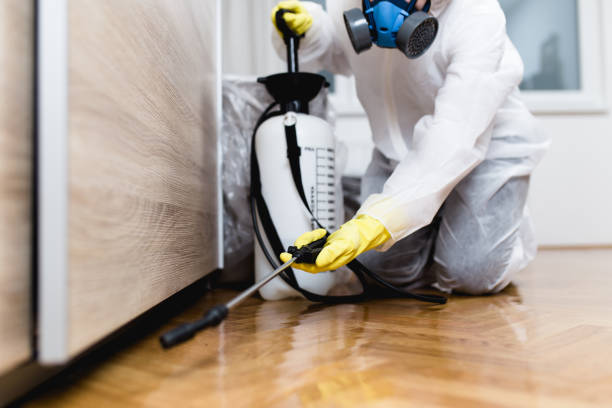
A Foolproof Integrated Pest Management Program for Long-Term Pest Prevention
Integrated Pest Management (IPM) is a sustainable, effective approach to managing pests that minimizes risks to people, property, and the environment. By combining preventive measures, monitoring, and targeted control methods, IPM offers a long-term solution to pest issues. Below is a detailed outline of how to create and implement an effective IPM program.
Key Components of an Integrated Pest Management Program
- Inspection and Monitoring
Regular inspections are the backbone of an IPM system. They help identify potential pest problems before they escalate. - Schedule routine inspections of critical areas such as storage rooms, kitchens, basements, and entry points.
- Use monitoring tools like traps or sticky boards to track pest activity.
- Maintain a log to document sightings, entry points, damage caused by pests, and action taken.
- Identification of Pests
Proper identification is crucial for determining the best control methods. Misidentifying pests can lead to ineffective treatments or unnecessary pesticide use. - Train employees on recognizing common pests in your area (e.g., rodents, cockroaches, ants).
- Use online resources or consult professionals for accurate identification when needed.
- Prevention Strategies
Prevention is always more cost-effective than treatment. Addressing root causes can significantly reduce the likelihood of infestations.
- Sanitation: Ensure regular cleaning schedules are maintained in sensitive areas.
- Clean up spills immediately.
- Store food in airtight containers.
- Eliminate clutter that can serve as hiding spots for pests.
| Area | Cleaning Frequency | Specific Tasks |
| Kitchen | Daily | Wipe counters; remove food debris |
| Storage Rooms | Weekly | Inspect shelves; clean spilled products |
| Basements | Monthly | Check for leaks; clear clutter |
Exclusion: Seal cracks in walls or floors where pests might enter.- Install door sweeps on exterior doors.
- Repair torn window screens promptly.
- Control Methods
When prevention isn’t enough, employ targeted control measures that are effective yet environmentally responsible: - Physical Controls: Traps (e.g., snap traps for rodents) and barriers (e.g., screens).
- Biological Controls: Introduce natural predators like beneficial insects if applicable.
- Chemical Controls: Use pesticides only when absolutely necessary and choose low-toxicity options whenever possible.
- Evaluation and Adjustment
An IPM program isn’t static; it requires ongoing evaluation to remain effective:- Review pest logs regularly to identify recurring issues.
- Adjust control strategies based on effectiveness and new pest behaviors observed over time.
- Keep open communication with employees about their observations or concerns regarding pests.
Benefits of Implementing an IPM Program
- Reduced reliance on harmful chemicals ensures a safer environment for employees and clients.
- Long-term cost savings by addressing root causes rather than treating symptoms repeatedly.
- Compliance with health regulations often required in industries like food production or healthcare facilities.
By following these steps in implementing a well-rounded IPM program, businesses can maintain sustainable pest-control practices while safeguarding human health and minimizing environmental impact.
Securing the Supply Chain: Best Practices for Shipping, Storage, and Handling to Prevent Pests
Ensuring a pest-free supply chain is critical for businesses, particularly those in industries such as food production, retail, and warehouses. Pests not only cause damage to goods but also pose significant health risks and could tarnish your company’s reputation. Here are actionable best practices for securing the supply chain against pests.
Key Strategies for Pest Prevention in the Supply Chain
- Inspect all incoming shipments for signs of pest activity such as droppings, chewed packaging, or live pests.
- Use trained personnel to identify less obvious signs of infestation.
- Reject shipments exhibiting evidence of contamination or inadequate pest control measures.
- Ensure that transportation vehicles and storage facilities are cleaned thoroughly between uses.
- Remove waste materials promptly to eliminate potential food sources for pests.
- Use sanitizing agents approved for warehouse and distribution environments.
- Opt for durable and pest-resistant packaging materials.
- Seal all packages tightly to prevent entry points for insects or rodents.
- Avoid using damaged pallets or containers that could serve as hiding spots.
- Store perishable goods at optimal temperatures to deter pests attracted to warm environments.
- Monitor temperature fluctuations during transit using digital tracking tools.
Recommended Storage Practices
| Storage Practice | Purpose | Example Tools/Methods |
| Pallet Elevation | Prevent ground access | Use shelving systems |
| FIFO (First-In-First-Out) | Reduce spoilage | Inventory tracking system |
| Regular Facility Inspections | Early detection of pests | Flashlights, traps |
Handling Procedures That Minimize Pest Risks
- Limit Exposure: Minimize how long products remain exposed to potential pest-prone areas during loading and unloading processes.
- Use Professional Pest Control Services: Work with licensed pest management experts who specialize in commercial spaces.
- Employee Training: Train employees on recognizing early signs of pest infestation and implementing prevention measures effectively.
Benefits of a Secure Supply Chain Free from Pests
- Improved product quality and reduced waste
- Enhanced compliance with health regulations
- Strengthened customer trust and satisfaction
- Reduced costs associated with damaged goods or infestations
Securing the supply chain requires commitment across all levels of operation—from employees on the ground to leadership teams responsible for strategy implementation. Regular evaluations and updates to protocols ensure long-term protection against pests.
Practical Tips for Employee Engagement in Effective Pest Prevention Strategies
Engaging employees in pest prevention is essential for maintaining a clean and pest-free workplace. When your team is actively involved, it not only enhances the efficacy of pest control efforts but also fosters a sense of responsibility among staff. Here are practical tips to help integrate employee engagement into your pest prevention strategy.
Educate Employees About Pest Control Basics
Providing employees with foundational knowledge about pests and their behaviors is critical. This equips them with the skills to identify potential issues early and act appropriately.
- Conduct regular training sessions on recognizing pest activity, such as droppings, nests, or damage to materials.
- Share details about common pests in your industry or location, including rodents, cockroaches, ants, or stored-product pests.
- Teach employees how improper food storage or cleaning habits can attract unwanted pests.
Establish Clear Reporting Channels
Create an easy-to-follow process for reporting signs of pest activity. Employees should feel empowered to communicate concerns without fear of blame or judgment.
- Use a centralized system (e.g., an app or platform) where employees can report sightings with details like location and time.
- Ensure managers take concerns seriously and address reports promptly.
- Provide feedback to employees after addressing reported issues to encourage continued vigilance.
Incorporate Pest Control into Daily Routines
Cleaning Practices:
– Clean break rooms daily, ensuring all crumbs and spills are removed immediately.
– Empty trash bins frequently and seal waste properly before disposal.
Storage Habits:
– Store food items in airtight containers instead of open packages.
– Keep inventory off the floor and away from walls to allow easy inspection for pests.
| Category | Best Practices | Frequency |
| Cleaning | Wipe down surfaces after meals | After every meal/snack |
| Trash Disposal | Seal garbage bags | Daily |
| Warehouse Storage | Rotate stock (First-In First-Out) | Weekly |
Recognize Employee Contributions
- Offer small incentives for reporting early signs of infestations that prevent larger problems later.
- Share success stories during team meetings about how employee actions led to effective pest management outcomes.
- Create recognition programs highlighting individuals or teams contributing significantly to maintaining a pest-free workplace.
Regularly Update Policies Based on Feedback
- Ask what challenges they face regarding pest prevention tasks.
- Gather suggestions for improving current processes.
- Communicate any changes made based on their feedback.
By involving staff at every level—from awareness building to incorporating their ideas—companies can create an environment where everyone takes ownership of effective pest control strategies while minimizing risks associated with infestations.
Benefits of Using Non-Toxic Pest Control Over Traditional Methods
In the effort to maintain a pest-free environment, businesses and households alike are increasingly turning to non-toxic pest control methods. These alternatives offer numerous advantages over traditional chemical-based solutions. Below, we explore the key benefits of choosing non-toxic methods and why they are a sustainable choice for pest management.
Health and Safety Advantages
One of the primary reasons many opt for non-toxic pest control is the significant health and safety benefits it offers. Chemical pesticides often contain substances that can pose risks to humans, pets, and the environment. In contrast, non-toxic methods provide safer options without compromising effectiveness.
- Safe for Humans and Pets: Non-toxic solutions minimize exposure to harmful chemicals that can lead to respiratory issues, skin irritations, or other adverse reactions.
- Ideal for Sensitive Environments: Locations like schools, hospitals, or food production facilities benefit from reduced chemical exposure by using these alternatives.
- Lower Risk of Accidental Poisoning: With no toxic substances involved, there’s a reduced likelihood of accidental poisoning in children or animals.
Environmental Benefits
Traditional pesticides often have long-lasting effects on ecosystems. Non-toxic pest control promotes environmental sustainability by reducing harmful impacts.
- Biodegradable Solutions: Many non-toxic products break down quickly into harmless components, leaving no residual impact on soil or water sources.
- Preservation of Beneficial Insects: Chemical pesticides can harm pollinators like bees or natural predators such as ladybugs. Non-toxic approaches target specific pests without affecting beneficial organisms.
- Reduction in Soil and Water Contamination: By eliminating chemical runoff, non-toxic methods contribute to cleaner waterways and healthier agricultural soils.
Economic Efficiency
While some may assume that eco-friendly options are costlier upfront, they often provide long-term savings by addressing pests sustainably.
| Factor | Traditional Pesticides | Non-Toxic Methods |
| Cost of Reapplication | Frequent due to resistance buildup | Less frequent with strategic use |
| Equipment Maintenance | Risk of damage from harsh chemicals | Minimal wear from eco-friendly products |
| Regulatory Compliance | May require costly disposal protocols | Easier compliance with regulations |
Effective Pest Management Without Resistance
Pests can develop resistance over time when exposed repeatedly to traditional pesticides. This issue does not arise as frequently with non-toxic alternatives due to their diverse mechanisms of action.
- Traps using pheromones or glue boards
- Natural repellents made from essential oils
- Biological controls such as introducing predator species
- Heat treatments that eliminate pests at all life stages
These techniques focus on controlling infestations without relying on chemicals that lose efficacy over time.
Brand Image Enhancement
For businesses, adopting non-toxic pest control practices demonstrates a commitment to health and sustainability. This proactive approach resonates well with environmentally conscious consumers and stakeholders.
- Promotes Corporate Social Responsibility (CSR): Businesses that prioritize eco-friendly practices align with customer values around environmental stewardship.
- Builds Trust: Clients feel reassured knowing a company employs safe methods in its operations.
- Sets Industry Standards: Early adoption positions businesses as leaders in sustainable practices within their sector.
By choosing non-toxic pest control over traditional chemical methods, individuals and organizations protect human health, preserve ecosystems, gain economic advantages, avoid issues related to pesticide resistance, and enhance their reputation. These benefits make it clear why this approach is a smart choice for modern pest management strategies.
- Essential Do’s and Don’ts for Employee Training with Stuart Pest Control
- Elevate Your Approach with Stuart Pest Control and Move Beyond Traditional Word-of-Mouth Methods
- Effective Solutions from Stuart Pest Control to Prevent Recurring Pest Issues
- How to Prevent Mice and When to Call an Exterminator Stuart FL
- Maximizing Efficiency with a Stuart FL Pest Control Company: Top Tips for Streamlining Operations
- Effective Pest Removal Stuart FL: Protect Your Business from Hidden Dangers
- Your Ultimate Guide to Stuart Pest Control and Effective Seasonal Strategies